
3 manufacturer photos · 1 / 3
Monport · Fiber
Monport GT Fiber · 100W
100W Split fiber laser engraver with autofocus from Monport
All Monport models →Add to compare →
Last updated How we evaluate
Choose a power option
Details below update for the selected power option.
Showing specs for: 100W
TL;DR
Monport GT 100W Fiber is the 100W SKU on the Monport monport gt line. Monport GT 30W brings split-cabinet fiber marking with autofocus: useful for varying part heights. Verify optical power on the listing: do not assume combined-watt marketing.
Best for
What makes this machine stand out
Hardware and workflow features worth understanding before you buy : not just wattage on a label.
Depth for production engraving
0.15 mm listed maximum marking depth, 50% more than the GT 50W and 60W, with a 10,000 mm/s top speed. Suited to deep tool marking, embossing and coin work.
MOPA control at high power
The 100W keeps the 2–500 ns pulse range of the 60W, so the same machine handles colour marking, delicate plastics and deep engraving without a second laser.
Our verdict
Ideal if you
Monport GT Fiber 100W fits shops that mark stainless, aluminum, and tools daily without a CO₂ bay. A solid bench option for jewelry, tags, and small batches.
Skip if you
Skip if wood, leather, or cast acrylic pay your bills. Deep metal cutting and large industrial panels often need more fiber headroom or a different machine class.
Pros
- Highest listed marking depth in the GT line below the 200W: 0.15 mm
- MOPA source (2–500 ns, 1–3,000 kHz) with colour marking, so one machine covers colour and depth
- Fastest GT in our stainless benchmark: about 2–5 minutes for a filled 10 × 10 cm logo
Cons
- About $1,900–2,100 more than the GT 60W MOPA for depth and speed, not new capabilities
- The laser source is covered for 1 year, against 2 years for the rest of the machine
- More power means more fumes and spatter on deep jobs: extraction and an enclosure become essential
What this machine is for
Maximum fiber marking speed and depth in the line
High-power fiber for metal-focused shops needing line-top throughput
Laser spot size
~0.02 mm spot
Motion precision: 0.01 mm
Sample engrave job
~2–5 min
10 × 10 cm (4 × 4 in)
Sample cut job
Not a cutter
Reference benchmark: same job size on every machine so you can compare times fairly. Times are estimates for the reference job above; your design complexity and settings will change them.
Materials
- · Stainless steel
- · Aluminum
- · Brass
- · Plastics
Accessories & add-ons
Typical inclusions and add-ons for this profile : confirm your SKU.
- Optional
Enclosure / cabinet
Third-party enclosure improves smoke control and safety
- Recommended
Laser safety glasses
~450 nm diode: OD rated for your wavelength
- Recommended
Fire extinguisher
Editorial guidance : not a live parts list. See also: Ventilation setup · Safety basics
Practical notes
Beginner notes
This profile is the 100W SKU on Monport GT Fiber. Read the TL;DR and benchmarks above, then compare other power options via the chips before buying.
Pro tips
Push speed only after depth tests on your metal alloy. Cooling and lens cleanliness matter more at this power level.
Pro / technical specsRaw numbers for experienced users comparing machines.
- Max speed (spec)
- 7,000 mm/s
- Avg engrave speed
- 500–2,000 mm/s marking
- Avg cut speed
- N/A
Common questions
How much deeper does the GT 100W engrave than the 60W?
Monport lists a maximum marking depth of 0.15 mm for the GT 100W, against 0.10 mm for the GT 50W and 60W. Pulse energy is the same 1.5 mJ as the 60W, so the gain comes from average power: more material removed per second on deep engraving and cut-outs. In our benchmark, a filled 10 × 10 cm logo on stainless takes about 2–5 minutes.
Can the GT 100W cut sheet metal?
Thin sheet, in multiple passes. Monport's claim for the GT series is cutting thin metals under 3 mm, and the 100W has the most headroom for it short of the 200W. For regular cutting of 1–3 mm steel, a dedicated fiber cutting machine with assist gas is faster and leaves cleaner edges.
Is the GT 100W worth it over the GT 60W MOPA?
It costs $6,600 (pre-order) to $6,800 (in stock) on Monport's store in October 2026, roughly $1,900–2,100 more than the 60W. Colour range, pulse settings and the 175 × 175 mm field are the same. The extra money buys depth and speed for production: deep logos on tools, embossing, coins and cut-outs. For colour and surface marking alone, the 60W is enough.
Alternatives to the Monport GT 100W Fiber
Machines in the same space, picked from our database by type, price, and score.
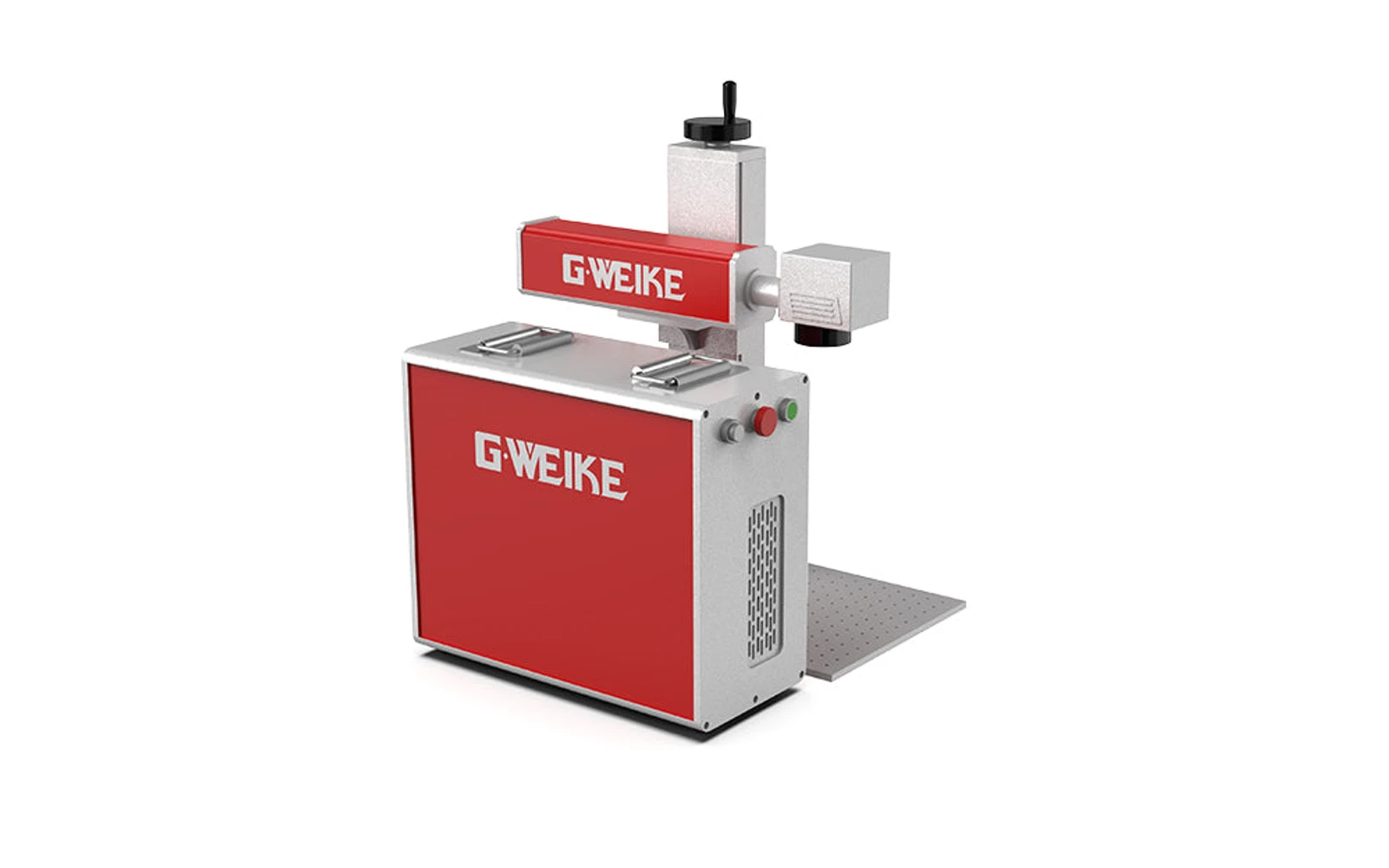
Gweike · Fiber · $2,799 – $3,999
Gweike G6 Split is a larger fiber marking platform with separate laser source cabinet: common format for small production. Available up to 100W; this profile covers the popular 30W tier.
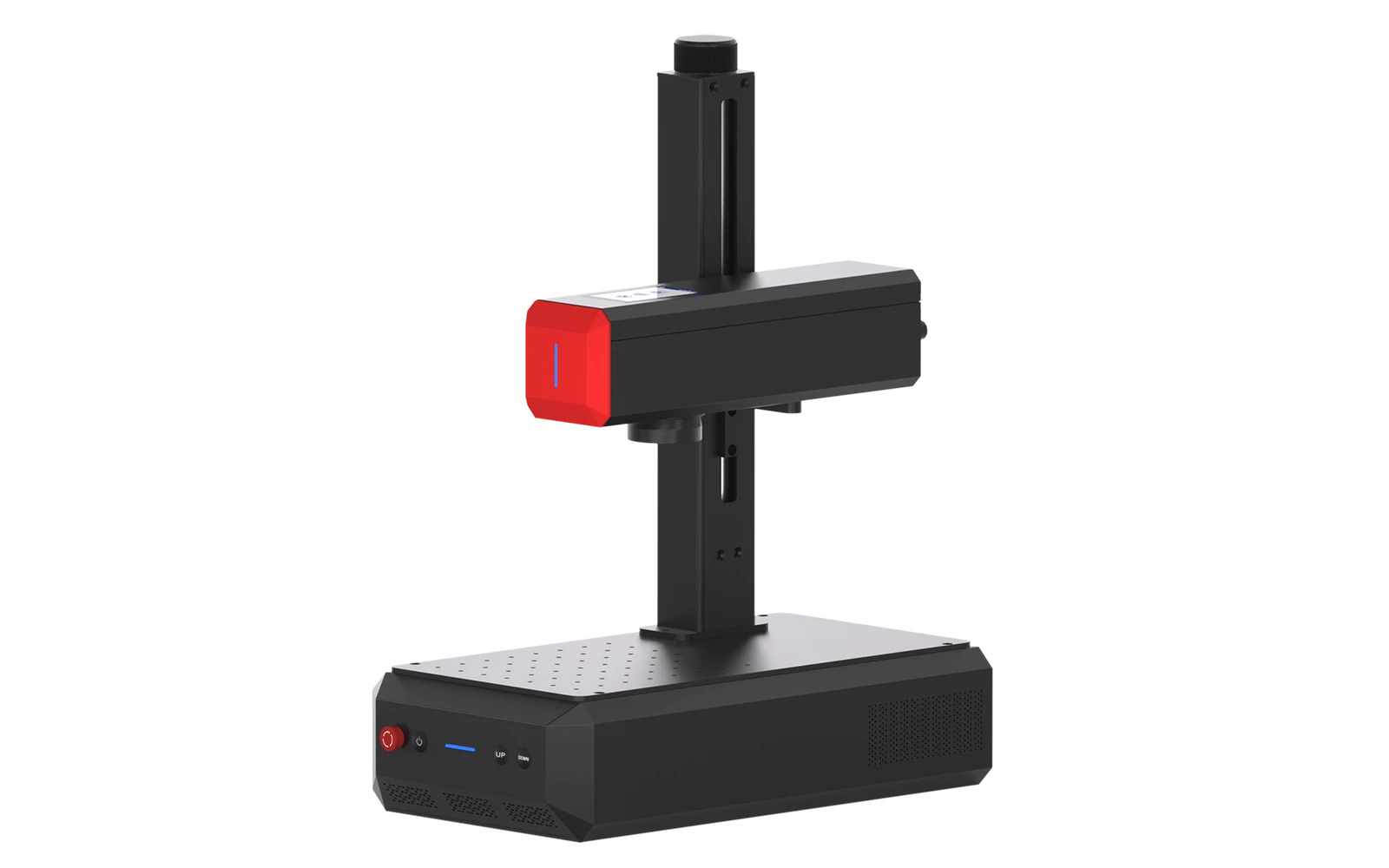
ComMarker · Fiber · $3,099 – $3,966
ComMarker B6 adds MOPA fiber for color effects on stainless and finer control on deep metal engraving. Step up from B4 for shops that need color marking or faster production.
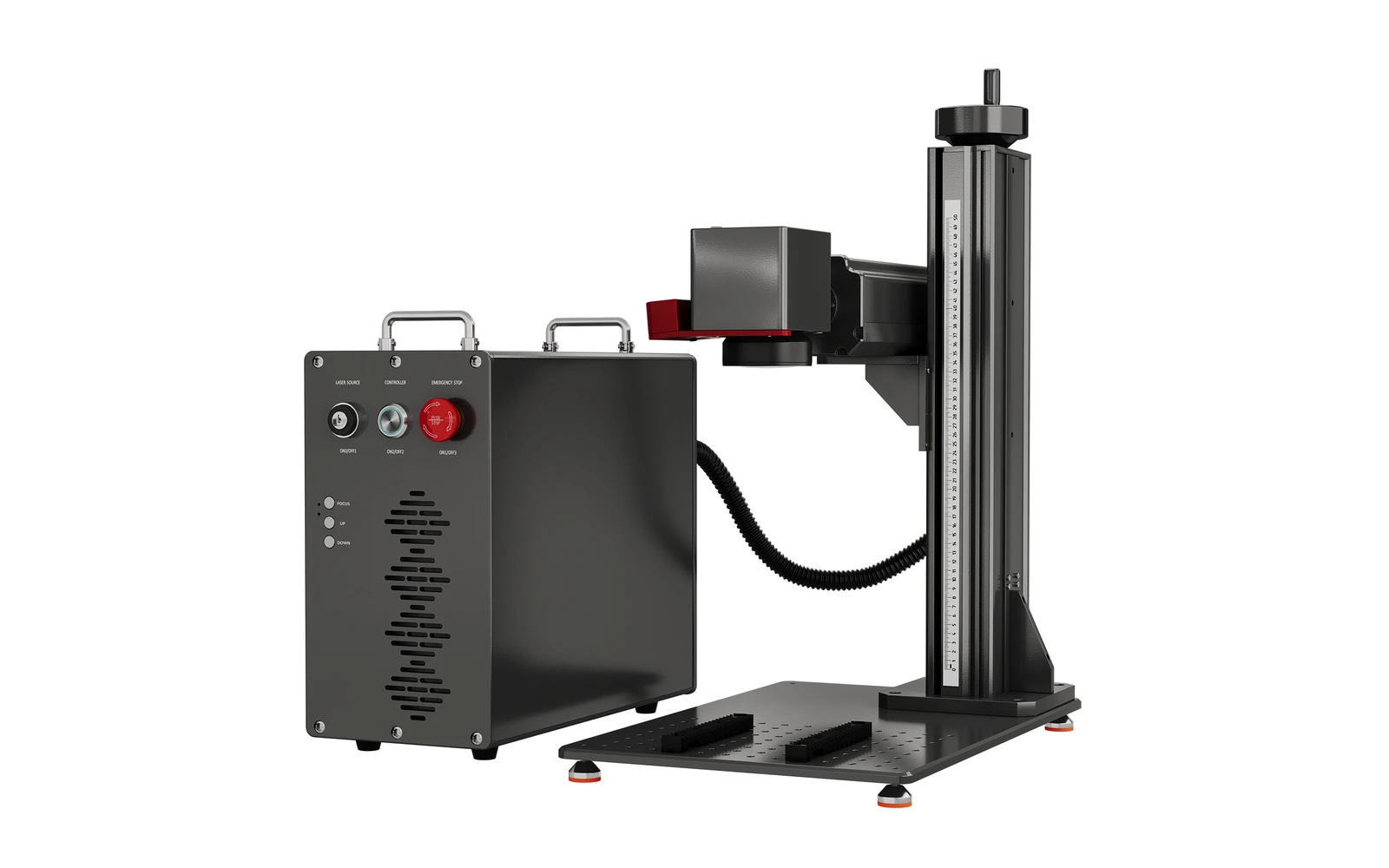
Monport · Fiber · $5,299 – $5,499
The GPro Vision 60W MOPA adds Monport's 16 MP positioning camera and autofocus to a 60W MOPA source with a 175 × 175 mm field. MOPA pulse control opens colour marking on stainless steel and titanium and cleaner marks on plastics; Monport rates it for brass up to 2.5 mm thick. $5,299 on Monport's store in October 2026, listed for mid-October shipping. The line launched in June 2026; no independent review yet.